


Your /s/ is clean when you're relaxed. Interdental when you're stressed, tired, or on camera. That's not "still working on it" — it's the classic pattern of an adult residual lisp where the sound was corrected but the substrate never was.
Here's why /s/ carryover fails under pressure, and the substrate-first protocol that actually resolves it for adults.

Why /s/ Drifts Under Stress Specifically
Under stress, sympathetic tone rises. Muscle tension changes. Motor patterns revert to the most-practiced defaults. If your /s/ was corrected in childhood but rest posture was never retrained, the "corrected" position is fragile — a conscious override, not an autonomous default. Stress removes the conscious override.
This is why adults with residual lisps report clean production 90% of the time but drift in specific contexts: interviews, presentations, first-date conversations, arguments, on-camera work. The pattern that always emerged in structured SLP contexts hasn't hardened into stress-tested carryover. Adult residual speech overview →
Six Contexts Where Adult /s/ Drifts
Job interviews.
Sympathetic-tone spike + focused-attention drain reveals the pattern.
Public speaking / presentations.
Sustained speaking + audience-related nervous-system load = drift.
On camera.
Recording-related self-awareness worsens the pattern paradoxically.
End-of-day / fatigue.
Motor precision drops. Conscious override fails.
Alcohol.
Fine-motor precision compromised — the "socially embarrassing" version of the pattern.
Fast conversation.
Speed doesn't allow the conscious override to run.
The Substrate-First Adult Protocol
1. Rest posture retraining (weeks 1-8).
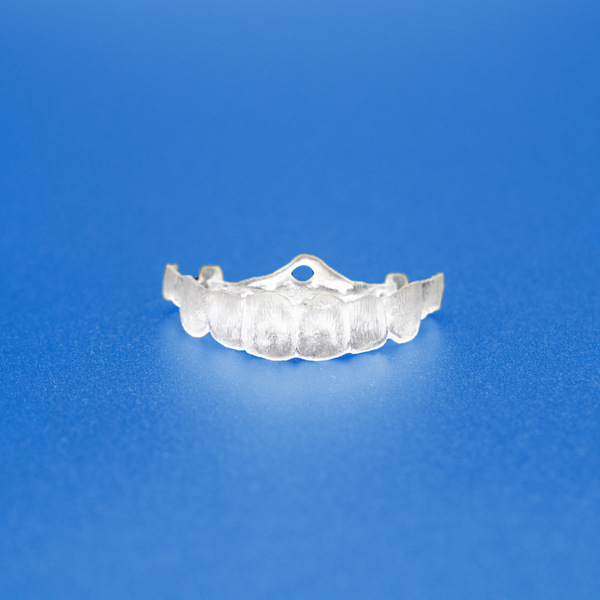
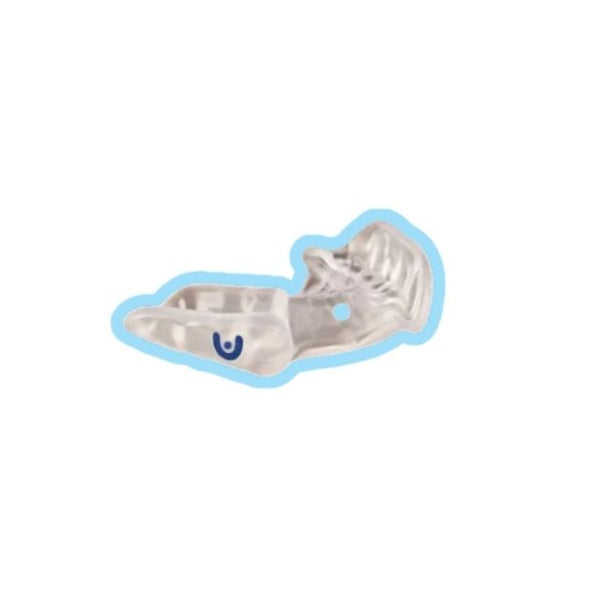
Adult Spot Pal during focused-work hours. 30-60 minutes daily. Builds the tongue-palate seal that keeps the tongue anchored high — so /s/ starts from close range, not from the floor of the mouth. Tongue posture pillar →
2. Isolated /s/ position work with adult SLP (weeks 4-10).
Butterfly position drills. Sustained /s/ hold. Mirror check. Rebuilds proprioceptive awareness of clean position.
3. Structured reading practice (weeks 8-14).
Read aloud daily. Record yourself. Playback to catch drift. This is where the sound generalizes to non-drill contexts.
4. Stress-tested carryover (weeks 12+).
Simulated interviews. On-camera practice. Presentations. Deliberately putting yourself in the exact contexts where it used to drift, while the substrate holds. This is where full autonomy locks in. Practical exercises for articulation →
"I'm a sales director. Zoom calls, presentations, client dinners — my /s/ would drift in the exact moments I couldn't afford it. Adult SLP added rest-posture work with Adult Spot Pal during my prep hours. Five months in, first quarterly review where I actually watched my recording and heard clean /s/ throughout. Career-changing."
The Adult Speech Family

Common Questions
Can I fix this without an SLP?
Substrate work with Adult Spot Pal can move you meaningfully on your own. Fully resolving carryover under stress typically benefits from adult-focused SLP guidance.
How long before stress-tested carryover?
3-9 months for most adults. Individual variance is significant depending on how deep the childhood pattern set.
Should I still practice under stress deliberately?
Yes — that's Phase 4. Simulate the exact stress contexts where it drifts. This is how the pattern hardens.
Is speech therapy for adults covered by insurance?
Coverage varies significantly. Some plans cover adult articulation therapy with diagnosed articulation disorder. Adult Spot Pal typically out-of-pocket; HSA/FSA may cover.
Does alcohol permanently affect my /s/?
No — alcohol compromises fine-motor precision temporarily. As substrate hardens with sober practice, even alcohol-affected speech shows less drift over time.
Share:
Jaw Exercises for TMJ Home Care: What Actually Reduces Pain
Boxing & Combat Breath Training: Late-Round Conditioning Isn't Cardio