


Cyclists live in the aerobic zone longer than any other endurance athlete — 3-6 hour rides at moderate-to-high intensity. That makes CO2 tolerance and respiratory efficiency disproportionately valuable. And most cyclists never touch it.
Here's the cycling-specific nasal breathing protocol and why it produces cleaner FTP and better long-ride finishes.

Why Cyclists Benefit Most
Cycling combines sustained aerobic output with mechanical repetition and moderate cognitive load (bike handling, tactics, terrain). Nasal-breathing benefits — nitric oxide production, CO2 tolerance, parasympathetic tone regulation — compound over long rides in ways they don't in shorter sports. A 3% efficiency gain matters differently over 4 hours than over 4 minutes. CO2 tolerance training →
The Cycling Protocol
Weeks 1-2 · Nasal warm-ups.
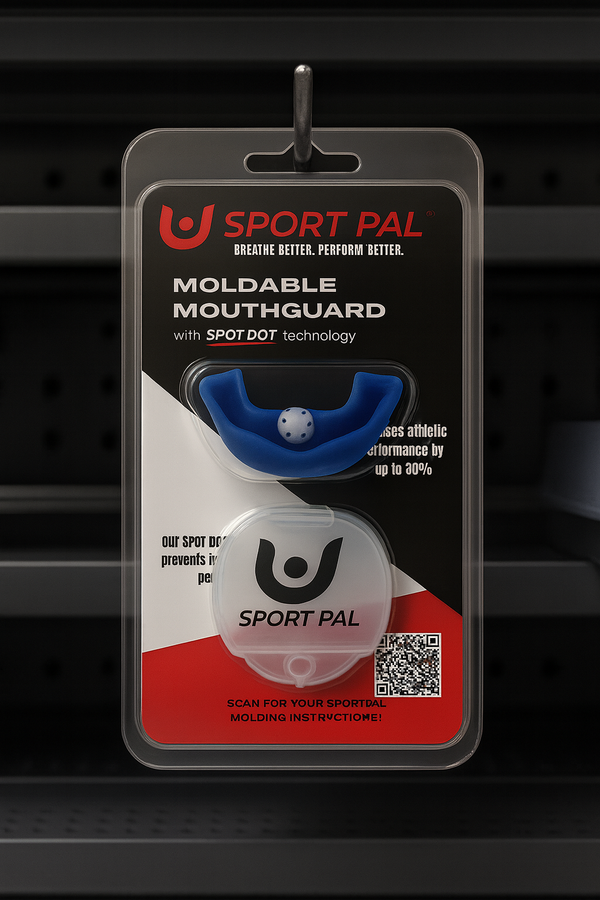
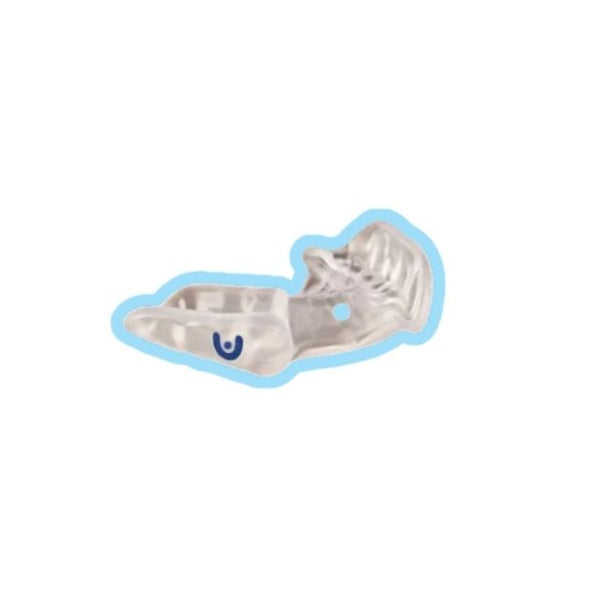
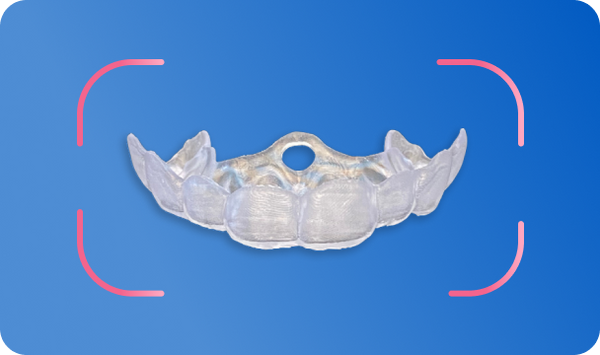
All warm-ups and cool-downs become nasal-only. Wear Boil & Bite Sport Pal.
Weeks 2-4 · Zone 1-2 nasal.
All easy endurance rides become nasal-only. Extend duration as CO2 tolerance builds.
Weeks 4-6 · Tempo nasal.
Push into moderate-tempo work. Transition point to mouth measurably moves up.
Weeks 6+ · Race-pace transitions.
Intervals and threshold work with cleaner transitions. Long-ride finish quality changes noticeably.
"Century rides used to leave me destroyed for two days. Started nasal-only training rides with Sport Pal for warm-ups. Three months later my heart rate at endurance pace was 8-10 beats lower. Recovery from long rides transformed. Same watts, different cost."
The Cyclist Stack
Common Questions
Can I wear Sport Pal on the bike?
Most cyclists wear it during warm-ups and Zone 1-2 rides. Personal preference for tempo/intervals. Not needed for racing once pattern is autonomous.
Will my FTP improve?
We don't make PR/watts claims. Cyclists consistently report cleaner heart-rate/power decoupling, better late-ride finishes, faster recovery. Whether that shows up on FTP depends on the athlete and training block.
Does this help century-ride recovery?
Anecdotally consistent — improved parasympathetic tone in the days after long rides. Recovery HR normalizes faster.
What about cold rides / cold-air congestion?
Nasal breathing humidifies and warms incoming air — often actually reduces cold-air airway irritation compared to mouth breathing.
Does this help track/crit racers?
Somewhat — crit racing is more anaerobic. Benefit is greater for road, gravel, and endurance formats. Sprinters see less direct payoff.
Share:
Nasal Recovery After Septoplasty: The Habit That Outlasts the Fix
Speech Confidence For Adults: The Substrate Behind The Anxiety