


Every runner has a pace where breath goes from controlled nasal to labored mouth. That transition point isn't just a cardio marker — it's where your CO2 tolerance ceiling lives. And it's the most trainable variable in your aerobic engine that most training plans don't touch.
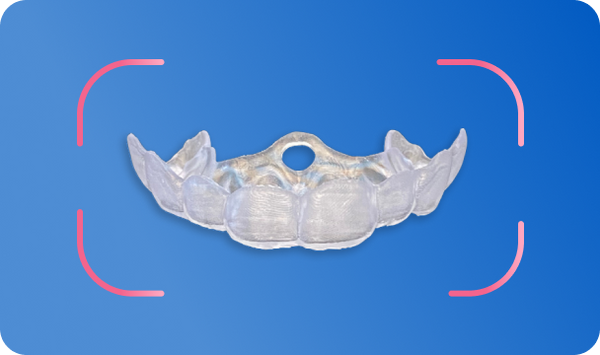
Here's the 8-week nasal-breathing progression that pushes the ceiling higher, and how a patented tongue-posture appliance shortens the acquisition curve.

The Runner-Specific Physiology
Running places a particular demand on the respiratory system that lifting or combat sport doesn't — sustained, rhythmic, repetitive breathing at moderate-to-high intensity for extended time. That makes CO2 tolerance and respiratory efficiency disproportionately valuable for runners. A 3% improvement in oxygen extraction efficiency compounds over 42 kilometers.
The nasal-breathing advantages that show up in runners specifically:
- Higher CO2 tolerance = later mouth-breath transition. The point where you switch from nasal to mouth is your true aerobic ceiling. Push it up 15 seconds per mile in training and your late-race clarity changes materially.
- Nitric oxide production. Nasal breathing releases NO from the paranasal sinuses — a vasodilator that increases oxygen uptake in the lungs by an estimated 10-15%.
- Slower respiratory rate at same output. Deeper breaths, better lung utilization, less accessory-muscle recruitment.
- Parasympathetic tone regulation. Chronic nasal breathing keeps sympathetic overdrive in check during long runs — better decision-making late in races, cleaner form under fatigue.
- Recovery compounds. Better sleep from carried-over nighttime nasal breathing = better between-workout recovery = more training load absorbed. Sleep & sport performance →
The 8-Week Runner Progression
Weeks 1-2 · Baseline & walking.
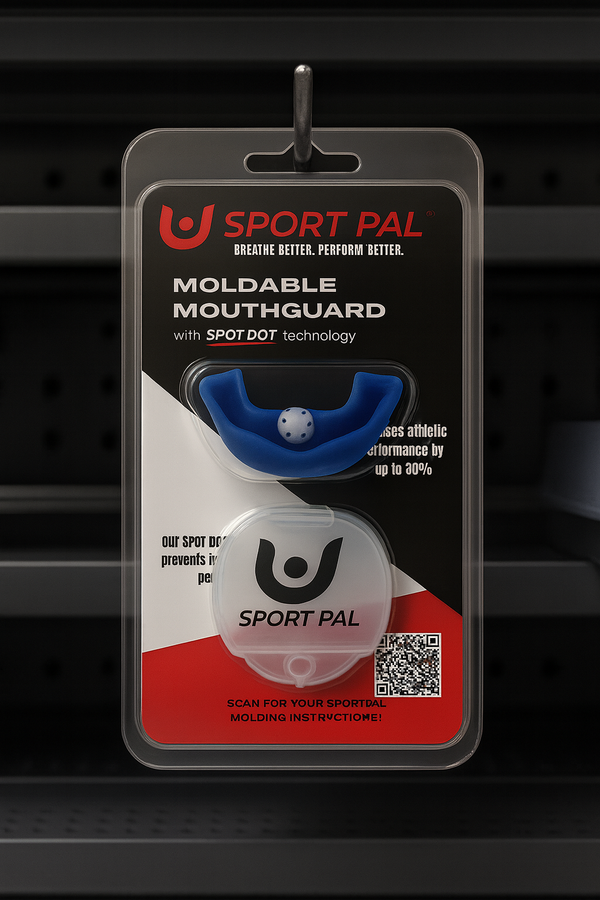
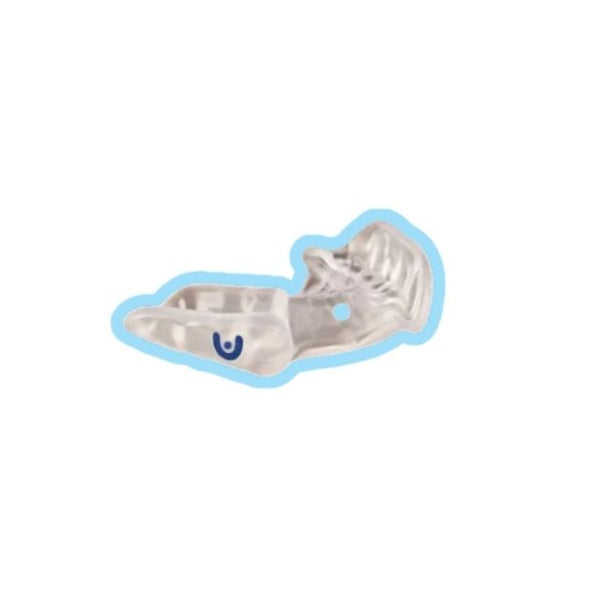
Nasal-only during warm-ups, cool-downs, and easy walks. Introduce Boil & Bite Sport Pal during mobility work. Nose adapts to consistent use over 10-14 days.
Weeks 2-4 · Easy runs.
All zone-1-to-2 easy runs become nasal-only. If breath collapses to mouth, back the pace down until nasal holds. Sport Pal stays in for the duration.
Weeks 4-6 · Tempo & long runs.
Extend nasal-only into moderate output — long runs, tempo work, uphill efforts. The transition ceiling starts pushing up measurably. Some runners keep Sport Pal in for tempo; personal preference.
Weeks 6-8 · Race-pace transitions.
In race pace and interval work, nasal-only is not the goal — everyone mouth-breathes at max effort. The goal is a later, cleaner transition. Sport Pal for warm-ups and cool-downs; personal call on speed work. Athlete lander →
Milestone Markers
How to know it's working, mile by mile:
- Week 2: Easy pace nasal-only feels sustainable. Nose no longer feels blocked.
- Week 4: You can hold nasal through a 30-40 min steady run. Heart rate at nasal-collapse point starts creeping higher.
- Week 6: Long runs nasal-only through 60-90 min. Late-run clarity noticeably improves. Watch for HR/pace decoupling — often improves at this point.
- Week 8: Race-pace efforts have a later transition point. Cool-downs feel dramatically cleaner. Recovery HR at 60s post-effort is faster. CO2 tolerance training →
- Week 12+: Pattern is autonomous. Nasal breathing becomes your default at rest and during easy efforts. Sleep improves as carried-over pattern holds nighttime. Sleep & airway pillar →
"Twenty years of running, stuck at the same half-marathon PR for four seasons. Coach suggested nasal-only easy days plus warm-ups with Boil & Bite Sport Pal. Skeptical at first — felt like giving up pace. Two months in my heart rate at threshold pace was ten beats lower. Ran a PR six weeks after that. Same legs. Different aerobic engine."
The Runner Stack
Common Questions
Will my easy pace drop dramatically at first?
Yes, expect 30-60 seconds per mile slower easy pace for the first 2-4 weeks. This is normal — you're forcing lower intensity while CO2 tolerance expands. Pace returns to baseline within 4-6 weeks, and often improves past baseline by week 8-10.
Do I wear Boil & Bite Sport Pal in races?
Personal preference. Sport Pal is designed for training, not race-day performance. Most runners drop it for actual races once the pattern is autonomous (usually week 10+). Some keep it in for training marathon runs where the tactile anchor still helps focus.
Does this replace tempo/threshold work?
No — it enhances it. Tempo and threshold work build cardiovascular capacity. Nasal-breathing progression builds respiratory efficiency and CO2 tolerance. Two different variables. Best runners work both.
What if I have chronic nasal congestion?
Some blockage in weeks 1-2 is normal. Persistent congestion past week 4 warrants ENT evaluation for allergies, deviated septum, or chronic sinusitis. Structural issues at the nasal passage are often fixable and unlock significant training gains.
Will this improve my recovery?
Indirectly, yes — often significantly. Nasal-breathing carryover into sleep improves parasympathetic tone, HRV, and slow-wave sleep quality. Better sleep = better between-workout recovery = more training load absorbed. Many runners report this as the biggest downstream win.
Share:
Adult /r/ Carryover: The Sound That Sticks Around
Palatal Expansion & Myofunctional Therapy: Why They Belong Together