


Speech confidence isn't a personality trait. It's a downstream signal of how clean your articulation is under stress — which is downstream of tongue posture. The good news: it's trainable at any age, and the confidence tends to follow the clarity within months.
Here's the adult-focused protocol for reclaiming speech confidence — and why the substrate work matters more than the "practice" advice you've been given.

Where Confidence Comes From
Adults with residual speech patterns often report low confidence in high-stakes speaking — interviews, presentations, sales calls, first dates. The "just be confident" advice misses the mechanism: confidence follows clarity. When you know your production holds under stress, the anxiety about it fades. When it drifts unpredictably, the anxiety amplifies the drift.
The path to speech confidence for adults is substrate work — retraining the resting tongue posture that determines whether the corrected pattern holds under load. Confidence then follows within months. Adult residual speech overview →
Six Signs Speech Anxiety Has A Mechanical Root
Anxiety spikes before speaking situations.
You're rehearsing whether your /s/ will hold, whether your /r/ will drift.
You avoid on-camera work.
Zoom, video calls, presentations — you volunteer less because you don't want playback anxiety.
You substitute words to avoid difficult sounds.
Word-choice compensation is a giveaway. You're managing the drift by avoiding the trigger.
Interviews feel disproportionately hard.
Career-relevant conversations amplify what you already know drifts.
Post-conversation rumination.
Replaying what you said, wondering if it sounded off. The pattern is running you.
You've done speech therapy — years ago.
Corrected the sound in structured drills, never full carryover. Adult /r/ carryover →
The Confidence-Building Protocol
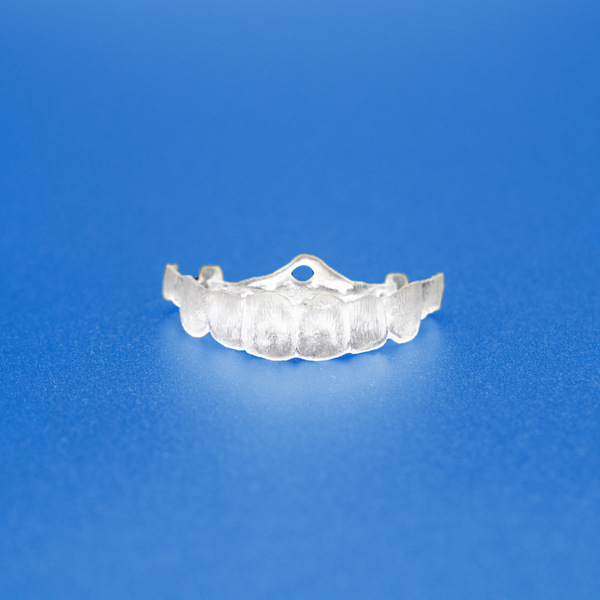
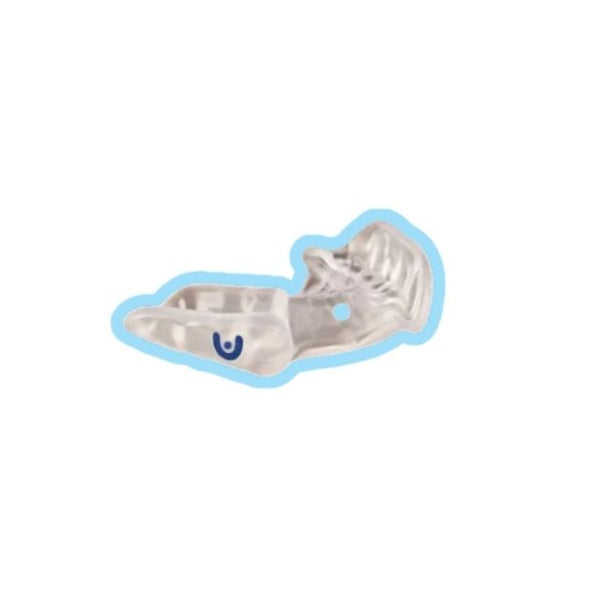
1. Substrate first — Adult Spot Pal (weeks 1-8).
Retrains resting tongue posture so corrected articulation has a stable starting point. 30-60 min daily during focused work.
2. SLP-guided articulation refinement (weeks 4-12).
Adult-focused SLP identifies specific drift patterns and structures targeted drill work. Rebuilds proprioceptive awareness.
3. Stress-tested practice (weeks 10+).
Simulated interviews. Record yourself. On-camera reading. Building tolerance for the exact contexts you've been avoiding.
4. Confidence consolidation (months 4-9).
Once carryover holds in real stakes, confidence follows within months. This is the payoff. Adult residual speech →
"I turned down promotions for years because they required client presentations and I couldn't trust my /s/. Adult SLP + Adult Spot Pal for eight months. Took a client-facing role six weeks after my carryover started holding. Nothing changed except knowing the sound would be there when I needed it."
Adult Speech Family

Common Questions
Do I need a therapist for the confidence side?
Speech confidence follows clarity — so the SLP work is what matters most. If speech anxiety is severe or has independent components, a therapist for the anxiety piece can complement.
How fast does confidence follow clarity?
Typically 3-6 months after carryover starts holding under stress. Individual variance is significant.
Can I skip therapy and just use Adult Spot Pal?
You can start solo. Adult-focused SLP significantly accelerates outcomes — worth the investment for professional-stakes cases.
Will my accent change?
Substrate work targets tongue posture — doesn't shift regional accent patterns. Articulation cleans up within your accent.
Insurance coverage?
Adult articulation therapy coverage varies. Adult Spot Pal typically out-of-pocket; HSA/FSA may cover.
Share:
Cycling Nasal Breathing: The Aerobic Ceiling Most Cyclists Skip
Bedwetting Past Age 5: The Airway Connection Nobody Mentions