

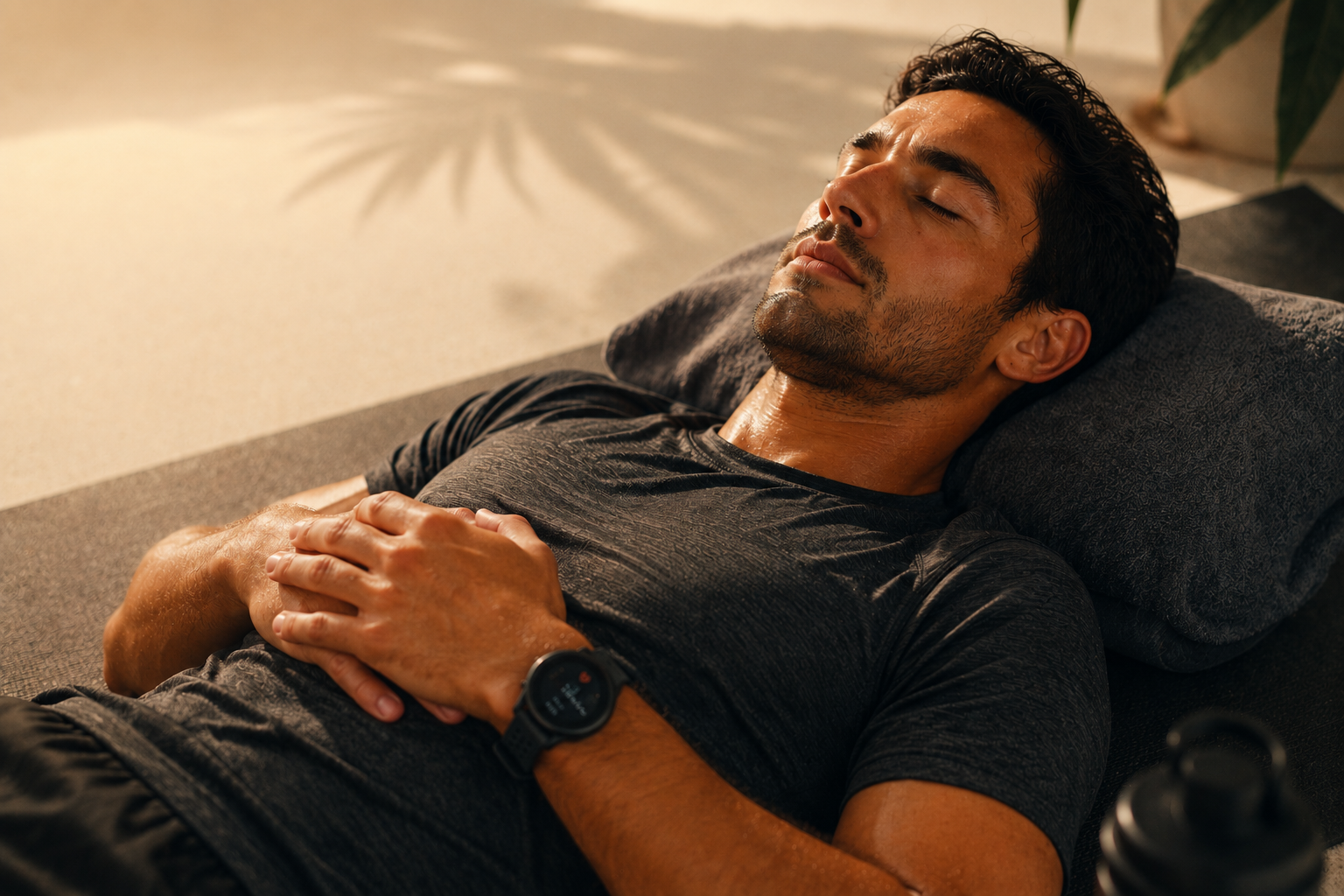
Recovery is where fitness gets built. Not in the workout — in the eight hours after. If those eight hours are compromised by mouth-open airway sleep, you can train perfectly, eat perfectly, sleep for hours, and still plateau. The variable nobody's programming is what your airway does while you're horizontal.
Here's why nasal-breathing carryover into sleep is the single highest-leverage recovery intervention available, and how to retrain the pattern.

Why Airway Is Your Recovery Bottleneck
Every recovery variable you're tracking — HRV, resting heart rate, sleep architecture, morning readiness score — lives downstream of one variable: what your airway does at night. If you're mouth-breathing through eight hours of sleep, all your other recovery inputs are working against a compromised substrate.
Here's what breaks when the airway is compromised during athlete sleep:
- Slow-wave sleep fragments. Deep sleep is where CNS supercompensation happens. Airway micro-arousals disrupt it — you get the hours, not the rebuild.
- Growth hormone pulse suppression. The largest GH pulse of the day happens in slow-wave sleep. Fragment SWS and you fragment the anabolic signal that turns training load into fitness.
- Elevated sympathetic tone. Mouth breathing keeps the nervous system in a lower-grade fight-or-flight state. HRV drops. Recovery slows.
- Impaired glucose regulation. Poor sleep impairs insulin sensitivity, affecting glycogen replenishment and recovery-window nutrition uptake.
- Immune suppression. Deep-sleep-mediated immune function compromises when sleep fragments. More sick days, slower minor-illness recovery. Sleep & airway pillar →
Signs Your Airway Is Costing You Gains
HRV consistently low despite adequate sleep hours.
Your Whoop/Oura/Garmin flags morning HRV in the "poor" zone even when you got 8 hours. Classic marker of mouth-breathing-compromised sleep.
Elevated morning resting heart rate.
Baseline RHR creeping up over months despite training consistency. Chronic sympathetic-dominant sleep drives this.
Feels tired even after long sleep.
Eight hours, still exhausted. The recovery mechanism isn't running cleanly.
Morning dry mouth or partner-reported snoring.
Both direct markers of mouth-open sleep. If either is present, airway is compromised.
Progress plateaued despite dialed programming.
You've been "doing everything right" and gains have stalled. Airway is often the missing variable in these cases. Sleep & sport performance →
Bruxism / morning jaw fatigue.
Airway-driven nighttime clench is a common athlete pattern. The clench is protecting the airway; your teeth are absorbing the recovery cost.
The Athlete Airway Protocol
Layer 1 — Daytime nasal breathing training.
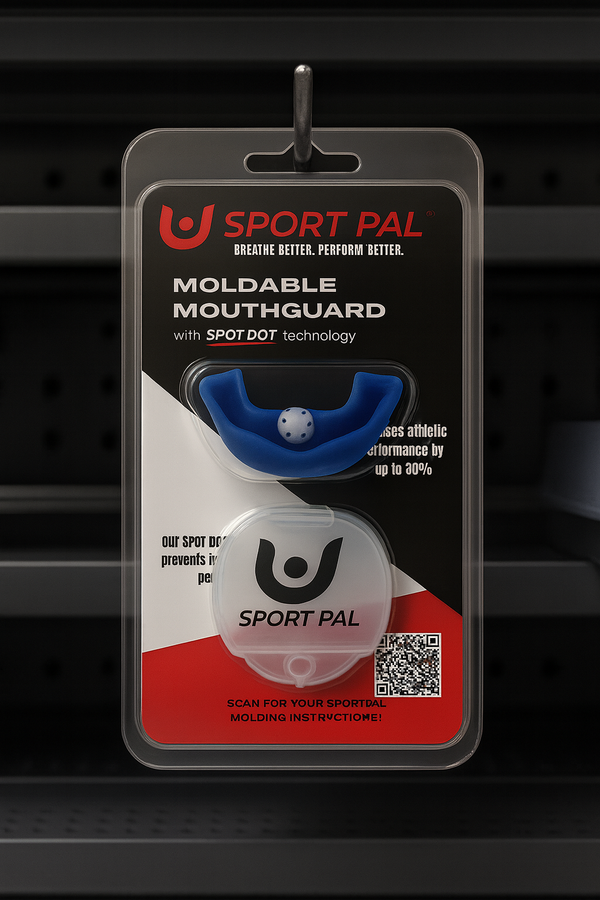
Nasal-only warm-ups, easy runs, mobility work — with Boil & Bite Sport Pal. Builds the tongue-palate seal under mild output. The training window is where the nighttime pattern gets built. 8-week nasal breathing progression →
Layer 2 — Focused-work rest posture.
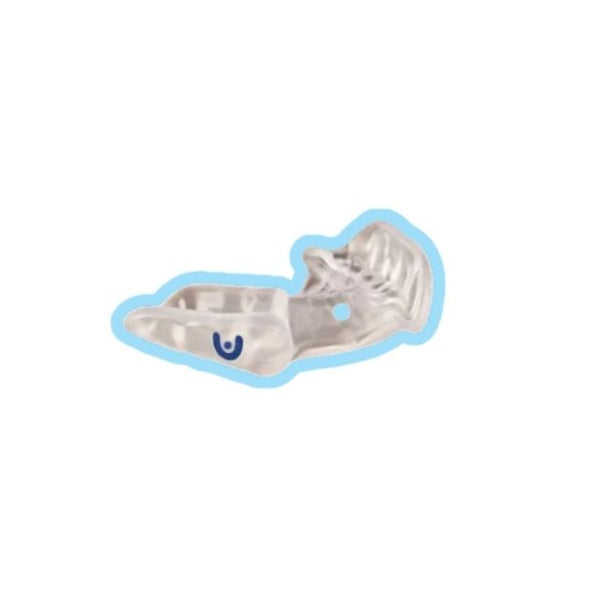
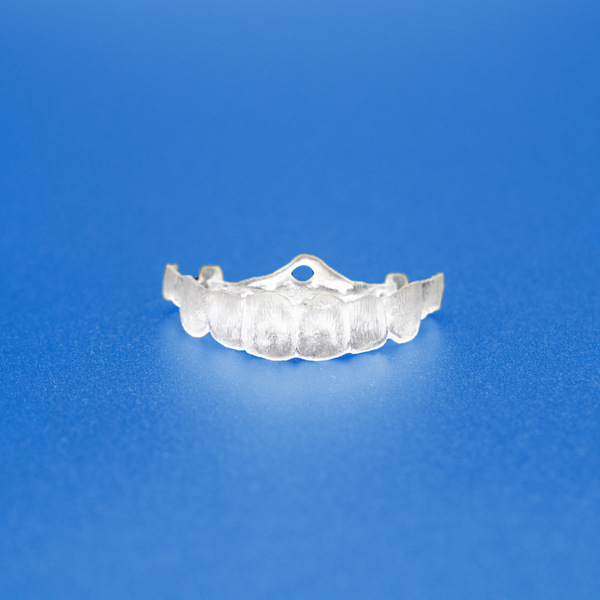
Adult Spot Pal during video work, film review, mobility flossing, reading. 30-60 minute stretches. Consolidates the resting tongue-palate default that carries into sleep.
Layer 3 — Sleep environment optimization.
Side-sleeping. Head-of-bed elevated 4-6 inches. Cool room (66-68°F). No alcohol 3 hours before bed (documented sleep-architecture disruptor for athletes especially). Best sleep position →
Layer 4 — Address any structural drivers.
Allergies, deviated septum, chronic sinusitis — ENT evaluation. If severe snoring or witnessed apneas, sleep study with a sleep physician. Athletes with sleep-disordered breathing have documented higher rates of overtraining and injury. Mouth breathing & sleep quality →
"Track my Whoop religiously. Watched my HRV drift lower for a year and couldn't figure out why — training was steady, nutrition dialed. Coach mentioned airway on a whim. Started nasal-only warm-ups with Boil & Bite Sport Pal, added Adult Spot Pal during film sessions. Three months later HRV is up 25%, morning RHR is down 8 beats. Same training. Different recovery."
The Athlete Recovery Stack
Common Questions
How long before I see HRV / RHR changes?
Individual variation is significant. Most athletes report morning-symptom changes (dry mouth, jaw tension, freshness) in 4-8 weeks of consistent nasal-training work. HRV and resting-HR trends typically shift over 8-16 weeks as the sleep pattern consolidates.
Should I train fasted with nasal breathing?
The two aren't dependent. Nasal-breathing progression works with fasted or fed training. If you already do fasted zone-1 work, adding nasal-only + Sport Pal is a natural pair. Choose based on your existing periodization.
Does this replace supplementation for recovery?
No — complementary. Supplements support recovery within the sleep window. Airway retraining ensures the sleep window itself is producing recovery. Different mechanisms, both matter.
Will this help me recover faster from hard workouts?
Anecdotally consistent across athlete populations — improved between-session recovery, faster HR recovery post-effort, less accumulated fatigue over training weeks. Individual results vary. Mechanism is real (better slow-wave sleep + parasympathetic tone).
Should I get a sleep study as an athlete?
Warranted if severe snoring, witnessed apneas, or safety-relevant daytime sleepiness. Athletes with even mild-to-moderate sleep apnea have documented performance and recovery deficits — worth ruling out. Sleep physician determines what's appropriate.
Share:
/R/ Sound Therapy for Kids: What Actually Works Past Age 7
Focus Issues in Kids: When It's The Airway, Not ADHD