

Blog

/R/ Sound Therapy for Kids: What Actually Works Past Age 7
If your child is 7 or older and /r/ still hasn't fully acquired, you're not late — you're at the exact age most SLPs start focused /r/ work. What matters now is picking a protocol that addresses substrate, not just...
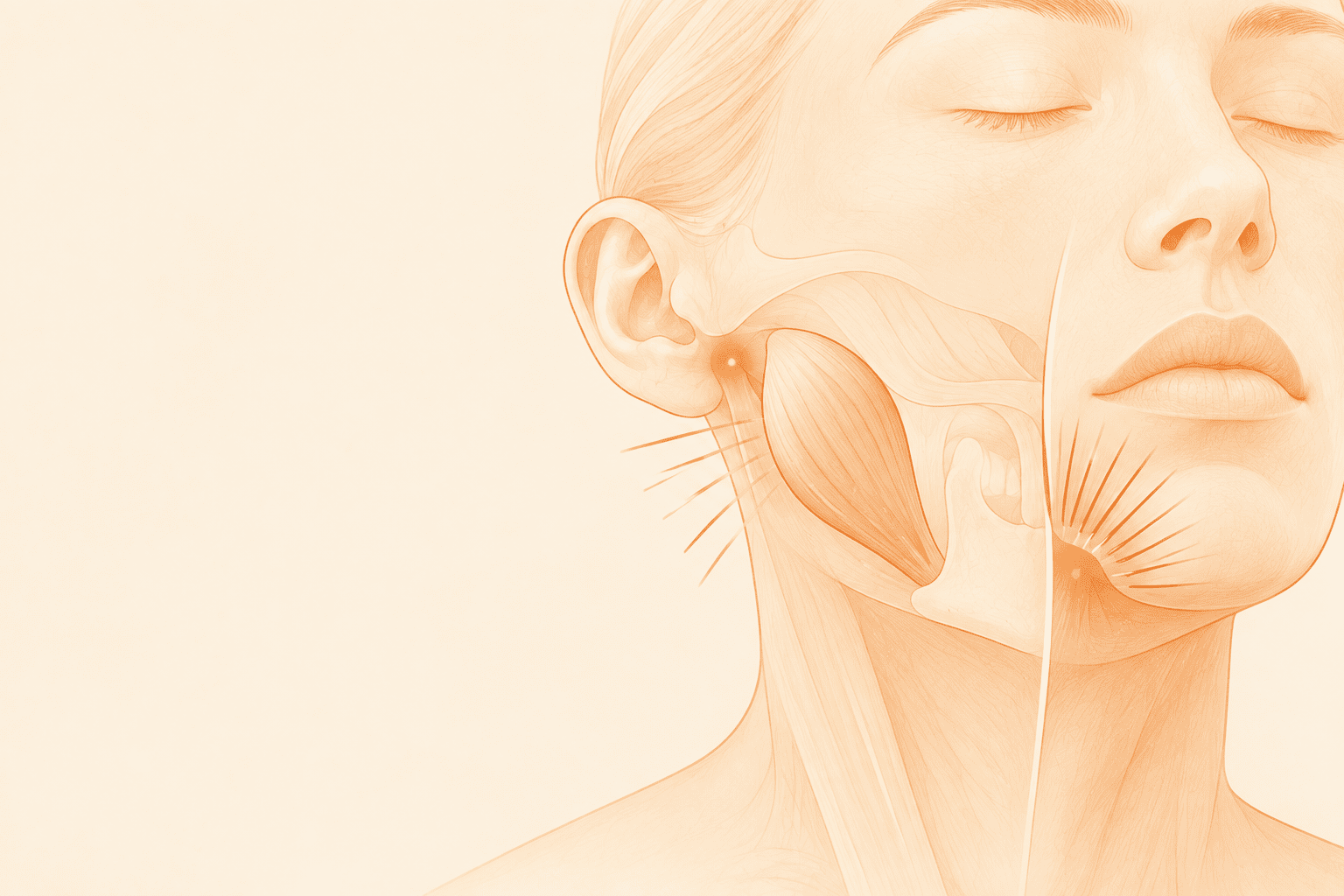
Botox vs Myofunctional Therapy For TMJ: When Each Actually Fits
Masseter Botox for TMJ has become one of the fastest-growing off-label uses in the aesthetics-and-pain world. It works — reduces clench force, softens jawline, quiets headaches for a few months. What it doesn't do is address why the jaw is...
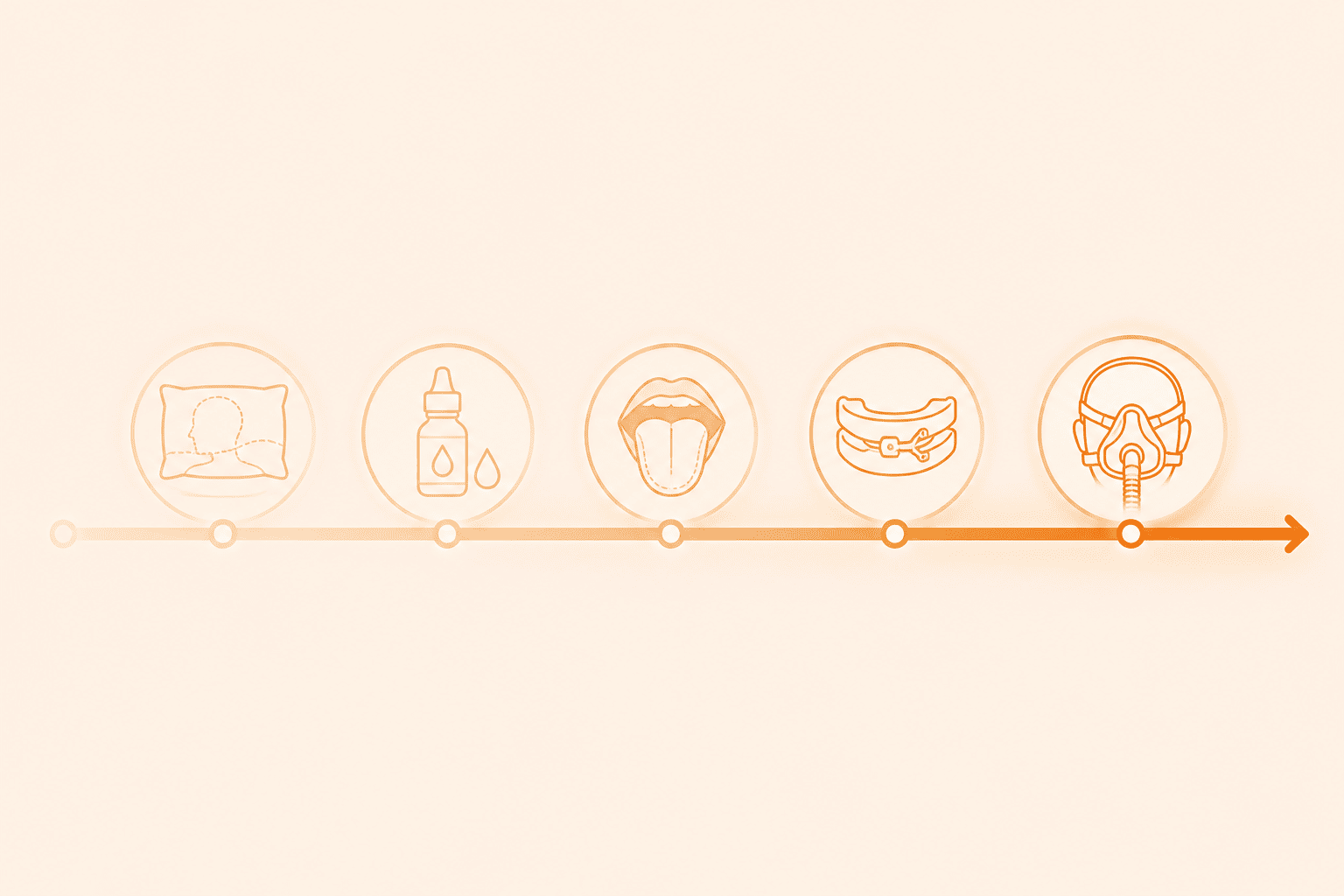
Snoring Solutions Beyond CPAP: A Practical Decision Guide
If your partner has been keeping earplugs on the nightstand, and CPAP feels like too much for a snoring problem, you're not alone. Between "annoying snore" and "moderate-to-severe sleep apnea" is a wide range of cases where CPAP is overkill...
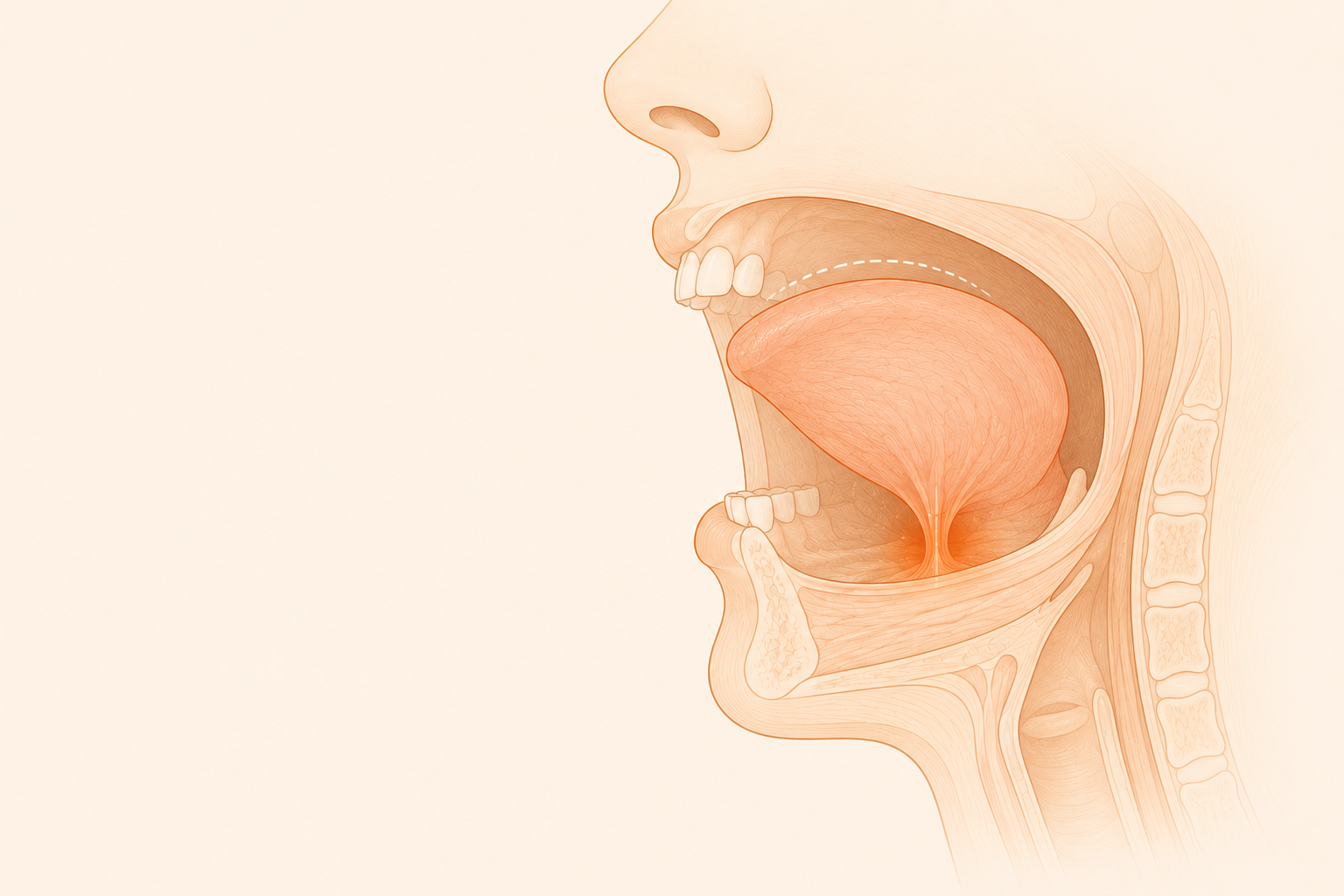
Tongue Tie in Adults: The Diagnosis Nobody Made In Childhood
If you've been working on tongue posture for months and nothing's sticking — the tongue can't seem to reach the palate even when you focus, exercises fatigue you unusually fast — the issue may be structural, not habitual. Adult tongue...
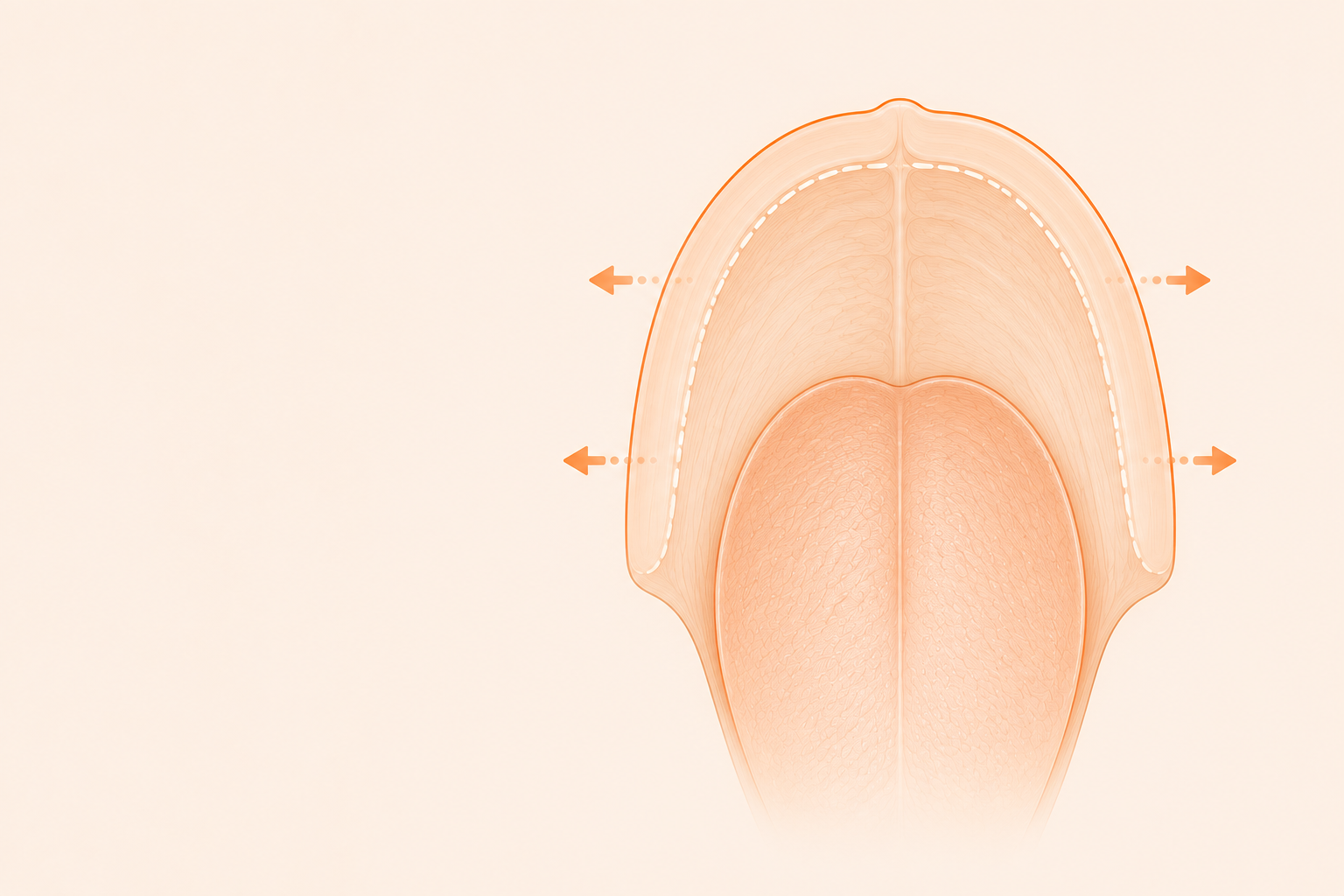
Palatal Expansion & Myofunctional Therapy: Why They Belong Together
If your child's orthodontist recommended a palatal expander, they're addressing a structural problem — a narrow palate. What most orthodontic protocols don't include is the reason the palate got narrow in the first place, and the neuromuscular work that keeps...

Nasal Breathing for Runners: How to Push Your Aerobic Ceiling
Every runner has a pace where breath goes from controlled nasal to labored mouth. That transition point isn't just a cardio marker — it's where your CO2 tolerance ceiling lives. And it's the most trainable variable in your aerobic engine...
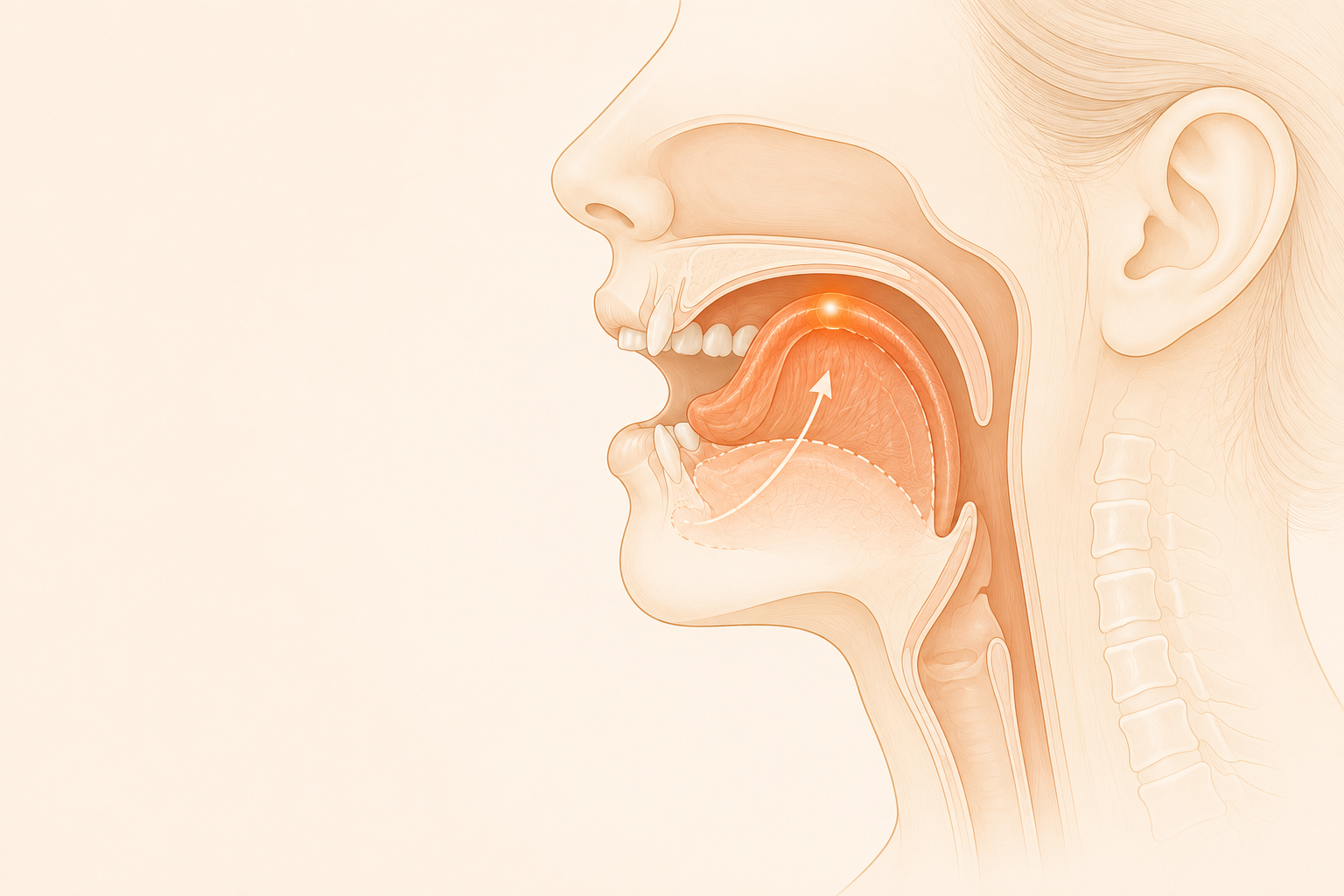
Adult /r/ Carryover: The Sound That Sticks Around
The /r/ is a notorious late-acquisition sound. When it doesn't fully lock in during childhood, it becomes one of the most common adult residuals — clean in structured drills, drifting under stress, fatigue, or on-camera situations where you least want...
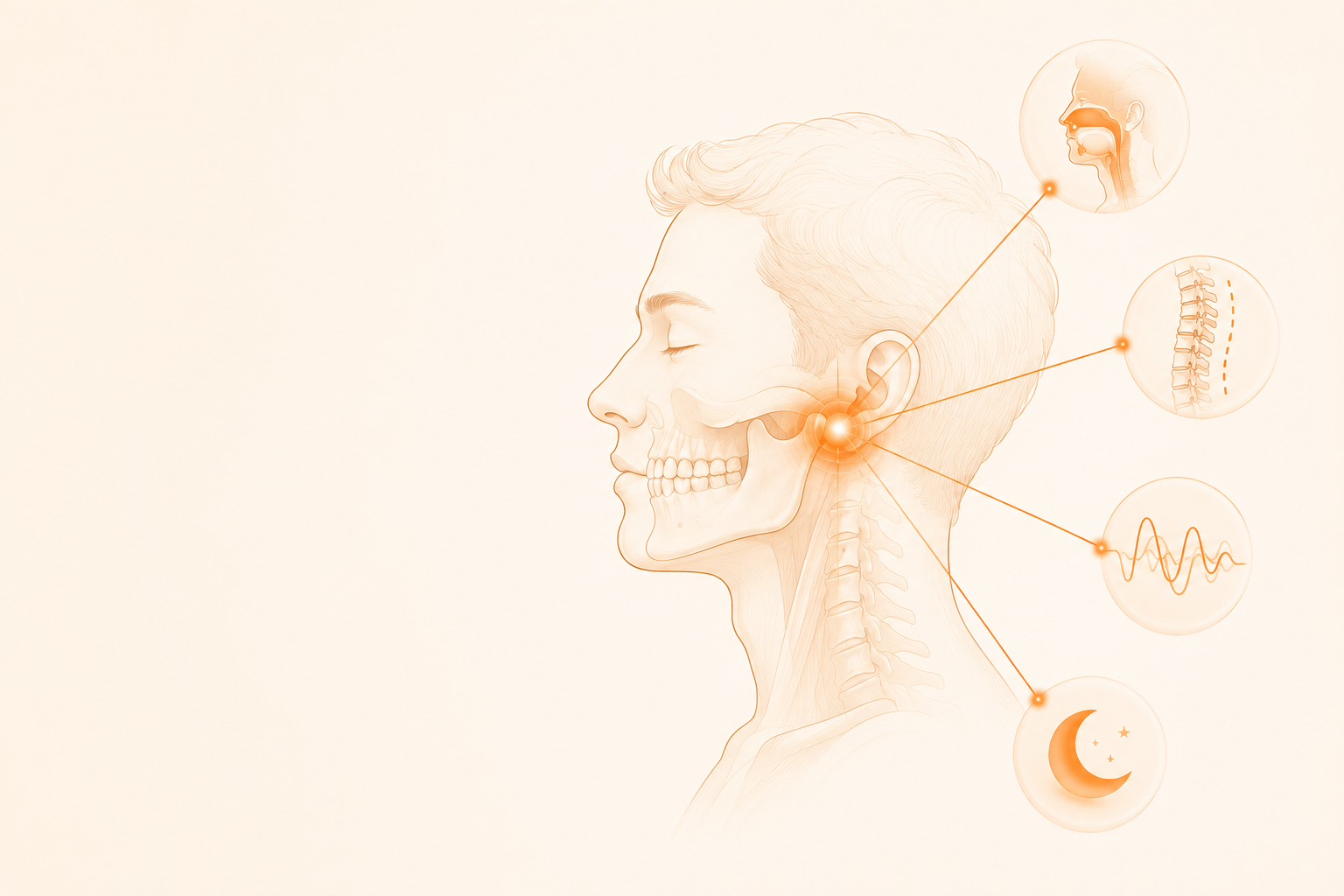
Bruxism: The Real Causes Behind Chronic Nighttime Clenching
Your dentist calls it "stress." Your primary care calls it "a habit." Sleep-medicine research over the past two decades increasingly calls it something else — a protective brainstem-generated motor pattern, often responding to airway compromise. That distinction changes what actually...
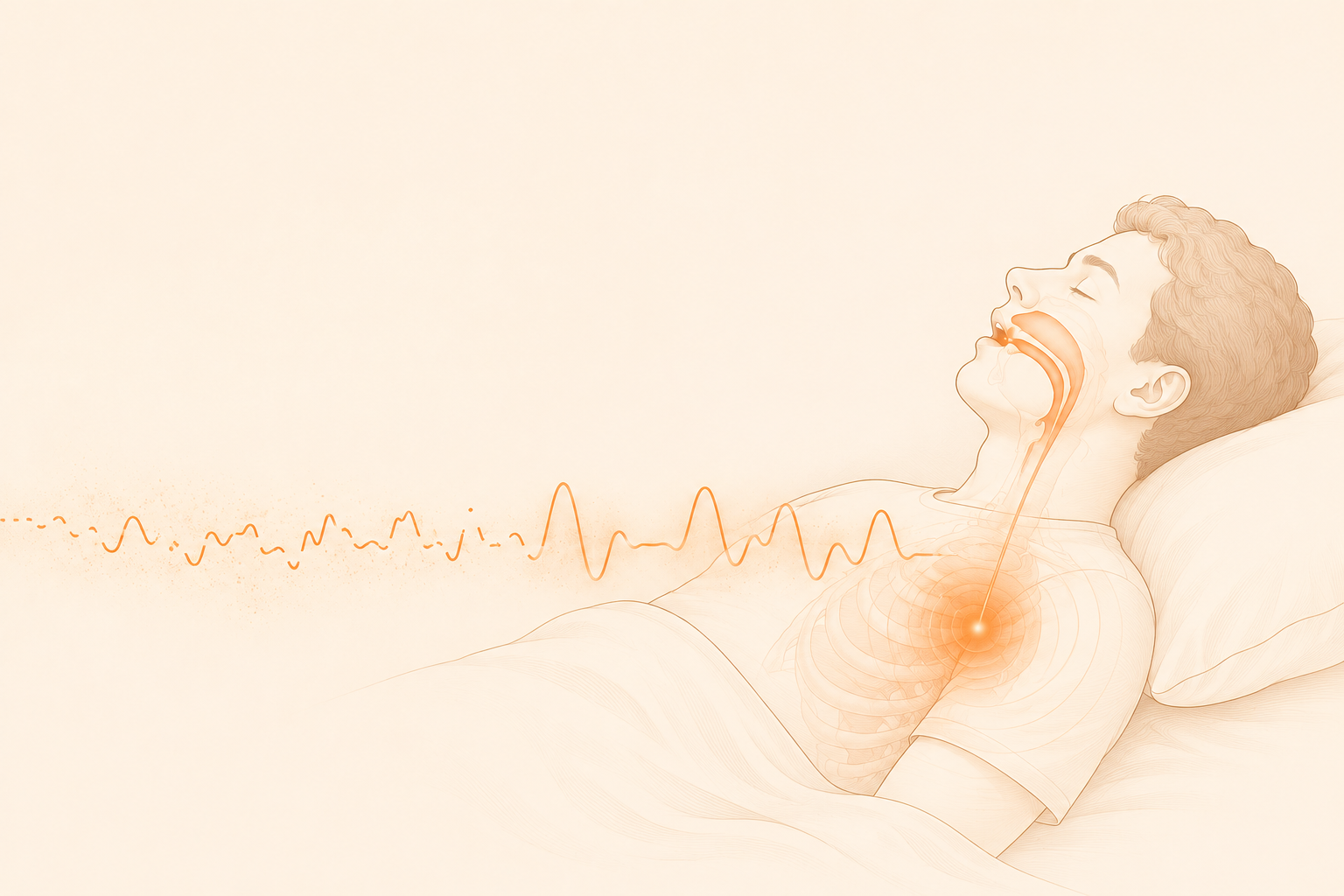
How Mouth Breathing Affects Sleep Quality & Overall Health
Mouth breathing at night isn't a habit — it's a pattern that fragments the exact hours your body uses to rebuild. Every night on autopilot, mouth-open sleep degrades slow-wave sleep architecture, elevates sympathetic tone, and cascades into markers you'd never...